
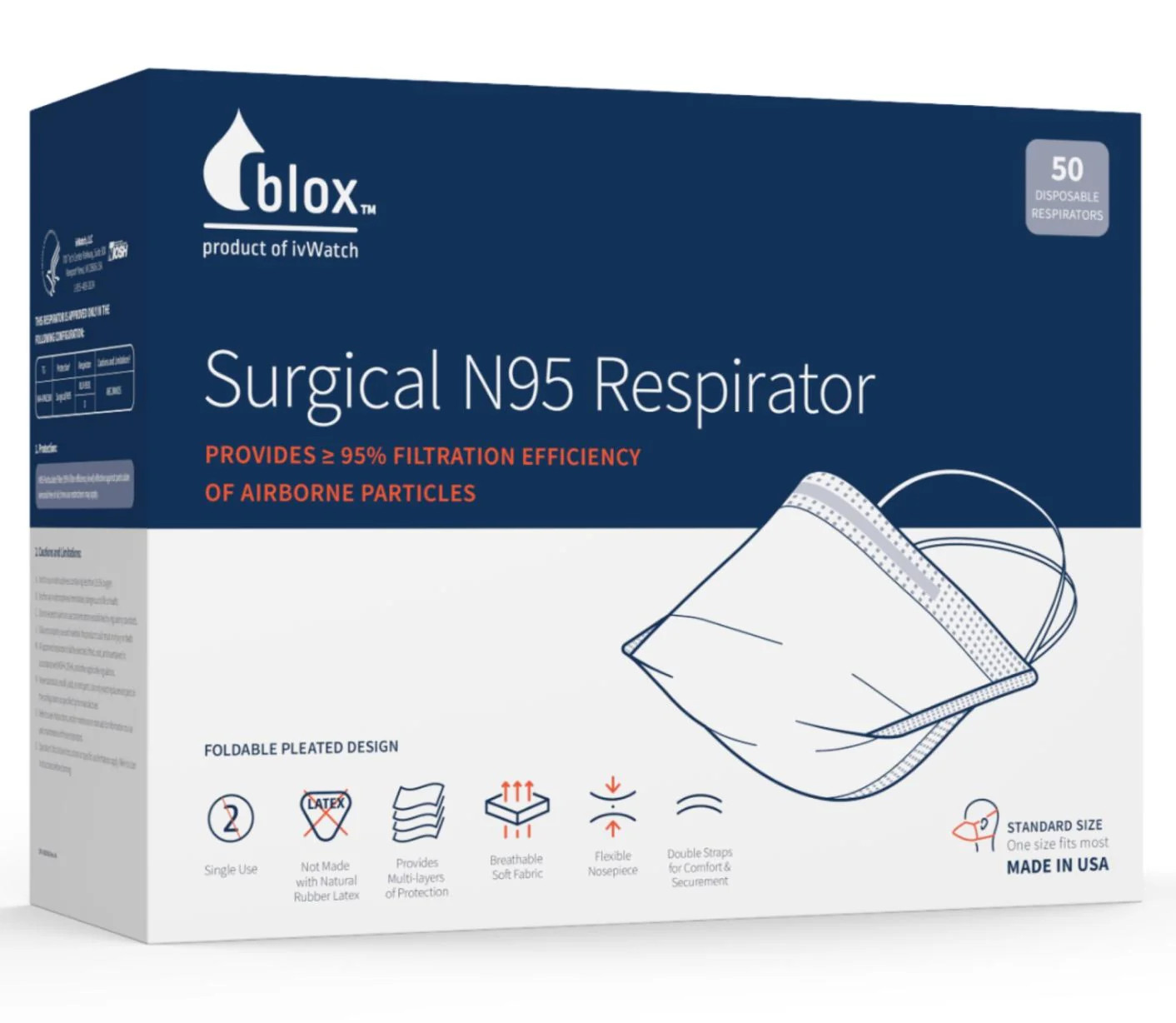
Whether you’re concerned about wildfire smoke, long COVID, or the next pandemic on the horizon (bird flu, anyone?), it pays to have a few boxes of quality N95 masks around. But what good are masks if you don’t know how to use them properly? Turns out, it’s actually not so simple. So read up and stock up!
My favorite N95 masks
In case you’re not already aware, N95 respirators are commonly considered the “gold standard” of masks. They’re way more effective than cloth or surgical masks, both in terms of filtration and fit. KN95s are ok, but N95s are better—they have head straps instead of ear straps. Not only are these more comfortable when wearing for longer periods, but in my experience, they allow for a much tighter fit, since you can move the straps around to adjust the mask for your personal face shape.
What’s the best mask shape though? Well, I’ve tried lots of different types of masks, from surgical masks and “flatfold” KN95s, to “cup” and “boat” style N95s. But far and away, my favorite is the “duckbill” style N95:
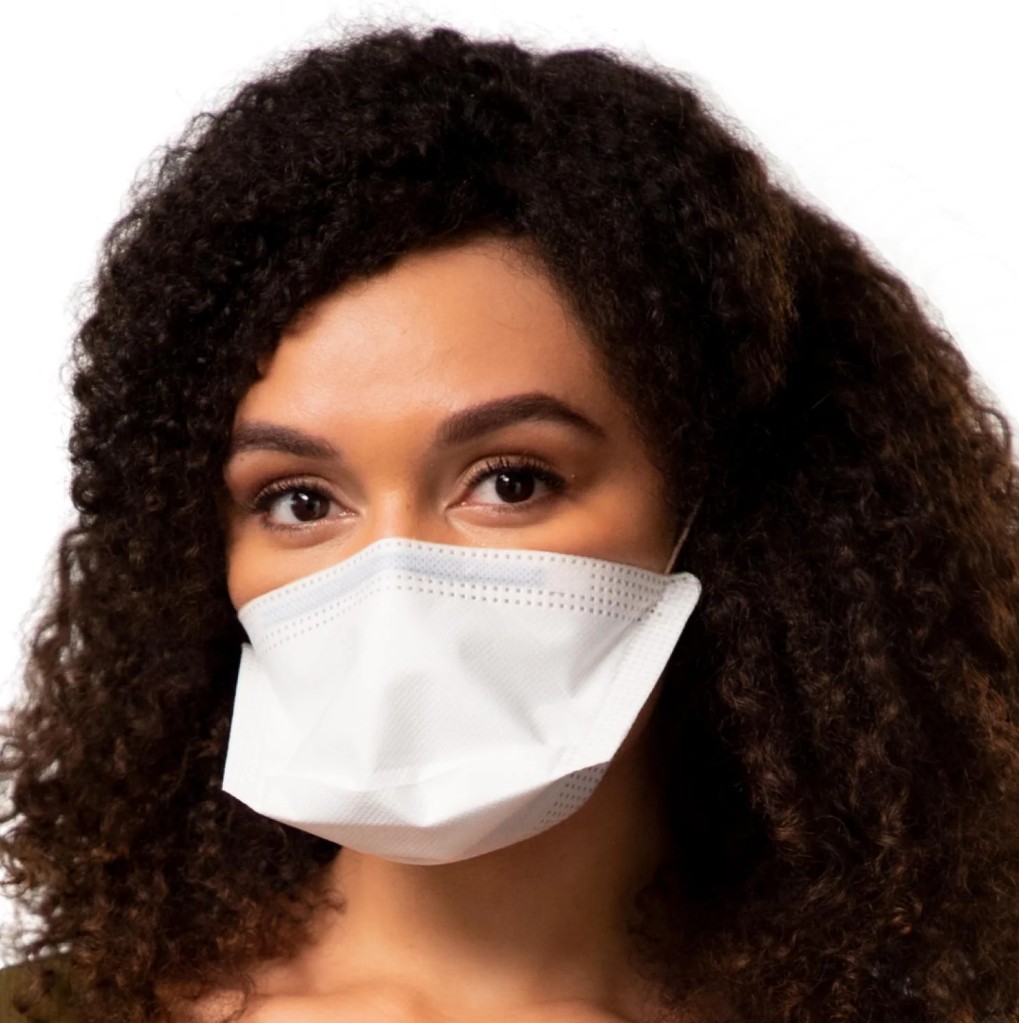
They’re so much better than the others, and yet almost nobody uses them. So I feel compelled to spread the word. In fact, I give them away to friends and family, and they have all been converted. They’re the most comfortable type of mask I’ve tried, and are flexible enough to fit all shapes and sizes of face. And because of their flexibility, they stay on your face even if you have to move your mouth a lot (my teacher friends love them). And for those who lack perfect vision, here’s the killer feature: they won’t fog up your glasses—the nose bridge is super flexible and allows you to get a perfectly snug fit, preventing your exhaled breath from leaking out the top and spraying your eyes.
In particular, my favorite is the one from Blox (pictured above), but there exist others if you want to browse around. I’ve tried the ACI and Gerson ones though, and the Blox ones have the best build quality by far—the nose bridge doesn’t rip off, the straps stay stretchy, and the overall build quality is just better.
How to get the most out of your masks
Make sure your mask fits
Your respirator must fit your face tightly, covering both mouth and nose. No gaps around your nose or anywhere else. No beards or other facial hair that would prevent the mask from sealing directly against your face.
This means you definitely need to be bending the nose bridge in your mask to fit around your nose. I see so many people wearing masks with a perfectly flat, unbent nose bridge, and it drives me crazy! Air follows the path of least resistance, so every inhalation just sucks air through the gap at the top. If you’re gonna have gaps that like, you might as well not wear a mask at all!
You’ll also want to make sure it fits around the rest of your face as well. Move the head straps up and down to adjust how it sits on your face. Tie a knot in them if you need to make the mask tighter.
To see if your mask is fitting well, use your hands to press all of the edges of the mask against your face—this should ensure you’re covering all gaps between the mask and your face. Inhale quickly. The mask should collapse slightly, and you should feel some resistance (i.e. it should slightly harder to breathe than normal). Now let go of the mask and breathe in again. If it felt it same, then your mask fits well! But if breathing feels easier, or if you can feel air rushing across your face due to a gap, then you’ll need to make some more adjustments or try a different mask.
Wear that mask consistently
This means you can’t let it start sliding down your face, and you definitely can’t just take it off because it’s inconvenient. If you’re in a crowded (or recently crowded) indoor place, you’ll want to be wearing it! Whether that’s a bus, train, plane, airport, grocery store, concert hall, restaurant, or anything else with lots of people.
And yeah, that means no eating inside busy restaurants, since you need to take your mask off to eat! (though if you hold your breath while taking a bite and then immediately put your mask back on, you might be fine… it’s better than not wearing one at all).
Get a fresh mask regularly
There’s no hard rules here, but there are guidelines. If you’re wearing a mask all day, e.g. at work, then it’s probably a good idea to get a fresh mask at least once a week. If you’re only wearing a mask occasionally, e.g. for bus rides or grocery store trips, then you might be able to use the same one for several weeks.
But you should always get a new mask if yours gets damaged or stretched out. If the straps aren’t tight any more, then it won’t seal against your face as well!
You’ll also want to get a new one if yours gets wet or dirty. Your mask can get wet from your breath and sweat too, so you might want to swap them out more often if you’re working out in them, for example.
Note that the 6-foot rule won’t save you
Remember the 6-foot rule that everyone was obsessed with at the beginning of the pandemic? Yeah, that won’t keep you safe. COVID viruses can travel from human breath in multiple ways. Droplets are the larger particles we breathe out, and those are the ones that generally hit the ground pretty quick. So if you simply stay 6 feet away from someone, their virus-laden droplets will usually float harmlessly down to the ground before hitting you.
But people also breathe out aerosolized virus particles, and these float around in the air indefinitely. If you’re outside or in a well-ventilated space, aerosols aren’t a big deal. But in enclosed spaces, the aerosolized virus particles can build up and create a deadly cloud. Think of it like this: if someone in the room was smoking, would you be able to smell it? If so, then you could be breathing their COVID particles.
If someone in the room was smoking, would you be able to smell it? If so, then you could be breathing their COVID particles.
Try not to touch it
Ideally, try not to touch the outside of your mask. It filters virus particles, which means the entire thing is covered in them. If you do touch it, it’s not a bad idea to wash your hands afterward or use hand sanitizer.
Luckily, it seems like COVID-19 doesn’t spread very easily through touch—it mostly spreads just through the air. Personally, I can’t help but fiddle with my mask from time to time (especially when putting it on), and I still haven’t gotten COVID. But it’s a tip worth keeping in mind, especially if the next big virus to come along transmits more easily through touch. If it comes to that, one tip is to “cycle out” your masks, letting each one sit out for a few days after using it. This gives time for the pathogens die off. Then you can put the mask back on and get it nice and tight, all without worrying about how much you’re touching it.
Get vaccinated
I know this article is supposed to be about masks, but I couldn’t help it. Vaccines are just so important. They’re a proven technology. They’ve saved millions of lives. Yes, sometimes they have side effects, but guess what? The disease they prevent is almost always worse. Yes, maybe you’re supporting Evil Big Pharma. I don’t like it either. But I do like living. Sometimes you gotta make tradeoffs.
So if the disease you don’t want happens to have a vaccine available, such as COVID-19 or flu, just get the damn vaccine! It’s not about making a political statement. It’s about survival!
 The Readyist